
Published · Updated
It’s never simple to move — it’s exhausting, sometimes confusing, and occasionally overwhelming. But it doesn’t have to be. A few decisions made before you start packing make the rest of the process much easier.
Gather the right packing materials first
At minimum you’ll want cardboard boxes, permanent markers and packing tape. Plastic tote bins work well for anything headed to storage, and colour-coded labels or dots make it easy to sort boxes by room or by person. For fragile items like glasses and vases, add bubble wrap, packing paper or clean linens to cushion them.
Pack with weight in mind
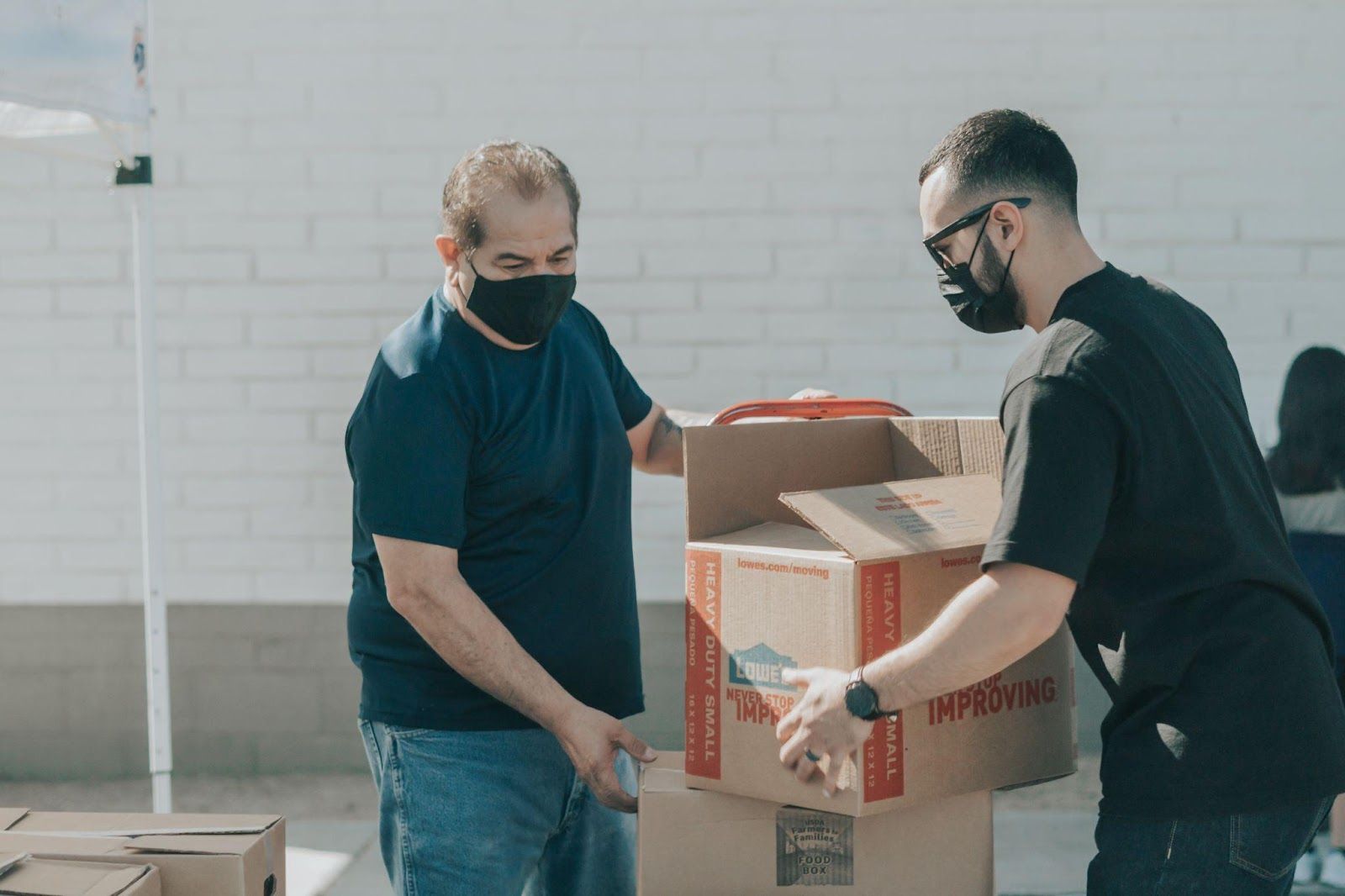
Some movers have weight limits per box, and overloading one increases the risk it gives way — damaging the contents or hurting whoever’s carrying it. Distribute heavier items like books across several smaller boxes rather than one large one.
What to pack first
Make a list of everything you need to pack before you start — it’s easier to keep track of, and it helps make sure everything fits in the truck. Prioritise anything urgent or hard to replace, like ID documents or certificates, plus any personal items or prescriptions that need to stay accessible. Pack fragile, hard-to-wrap items — dishes, glasses, framed photos, art supplies — early, before the rest of the house, so you’re not rushing them at the end.
What not to pack
Skip anything broken, damaged or genuinely unneeded — packing and unpacking already takes enough time without moving things you won’t use. Donate or sell items in good shape that you no longer want, and sort through paperwork to discard anything outdated. If you’re planning to replace a piece of furniture after the move, it’s often not worth moving at all.
Protecting fragile items in transit
Wrap fragile items in bubble wrap or another cushioning material before boxing them. Use sturdy boxes with a flat bottom and solid side handles, and if you’re using packing tape, lay down a non-stick surface first so the tape doesn’t grab the wrong thing. Writing your name and new address on each box also means anything separated from the rest can still find its way back to you.
Packing habits that save time later
Keep clothes on hangers or folded neatly until the last minute to avoid wrinkles. Pack books early — except for whatever you’re currently reading. Group and label fragile boxes clearly so nothing heavy ends up stacked on top of them, and organize boxes by the room they belong in so unpacking is straightforward.
If packing becomes overwhelming, we can take it from here
If self-packing turns into more than you have time for, our packing service uses the same materials described above — or we can pack just the rooms you’d rather hand off, like the kitchen or a home office.